OpenAI product news: AI Skills Jam brings hands-on AI practice to K-12 educators
OpenAI
AI Product and Learning Report
500-word summary
Listen to the 500-word product news report
Audio summary
This product-news report examines OpenAI's AI Skills Jam for K-12 Educators, announced with the Walton Family Foundation on July 8, 2026. OpenAI says the summer initiative will bring together more than 1,600 teachers, administrators, and district leaders for in-person workshops across several United States cities. The stated aim is to move participants from curiosity toward practical use while advancing AI literacy and responsible adoption. For education systems, the notable feature is the emphasis on supported practice rather than access to a tool alone.
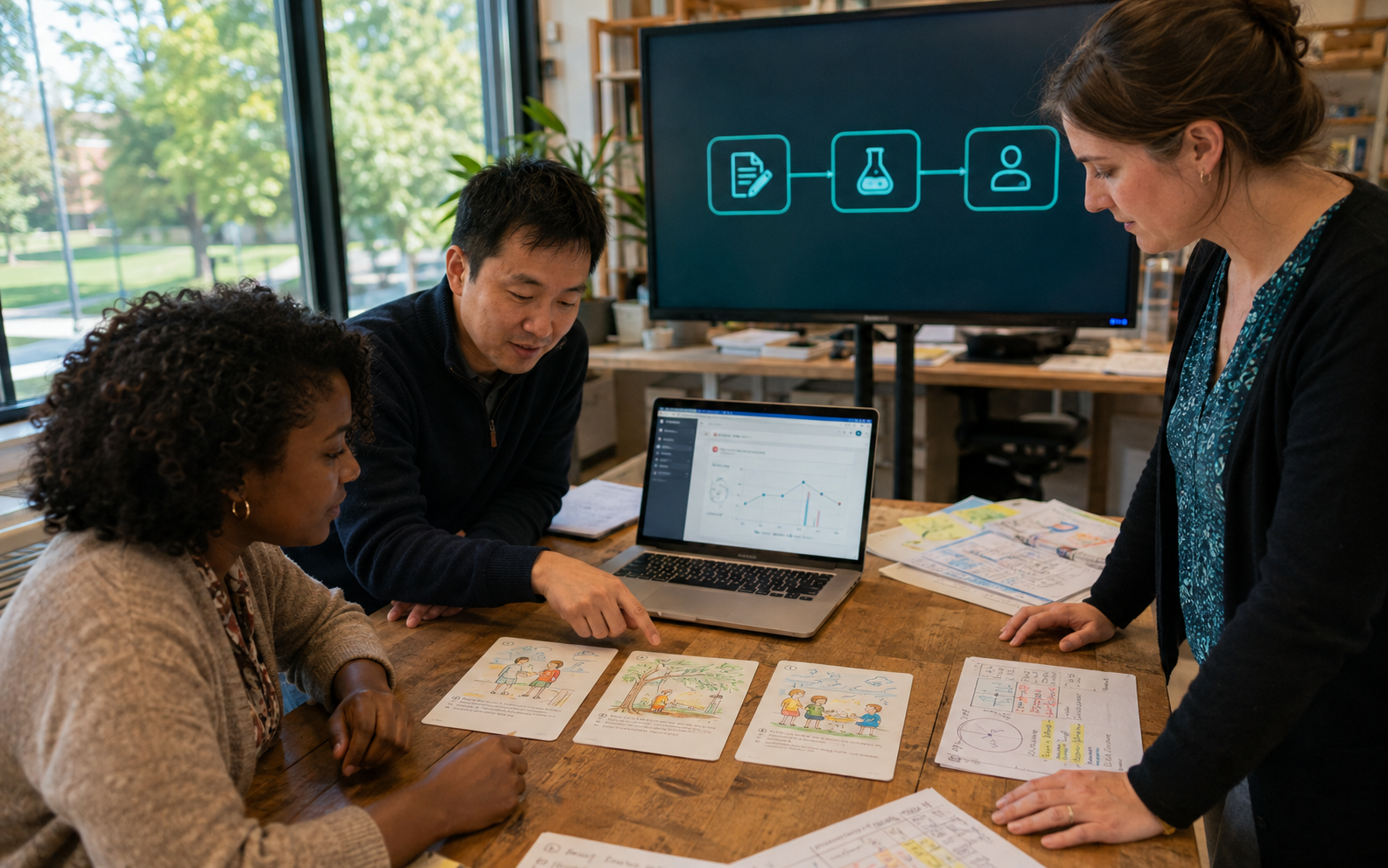
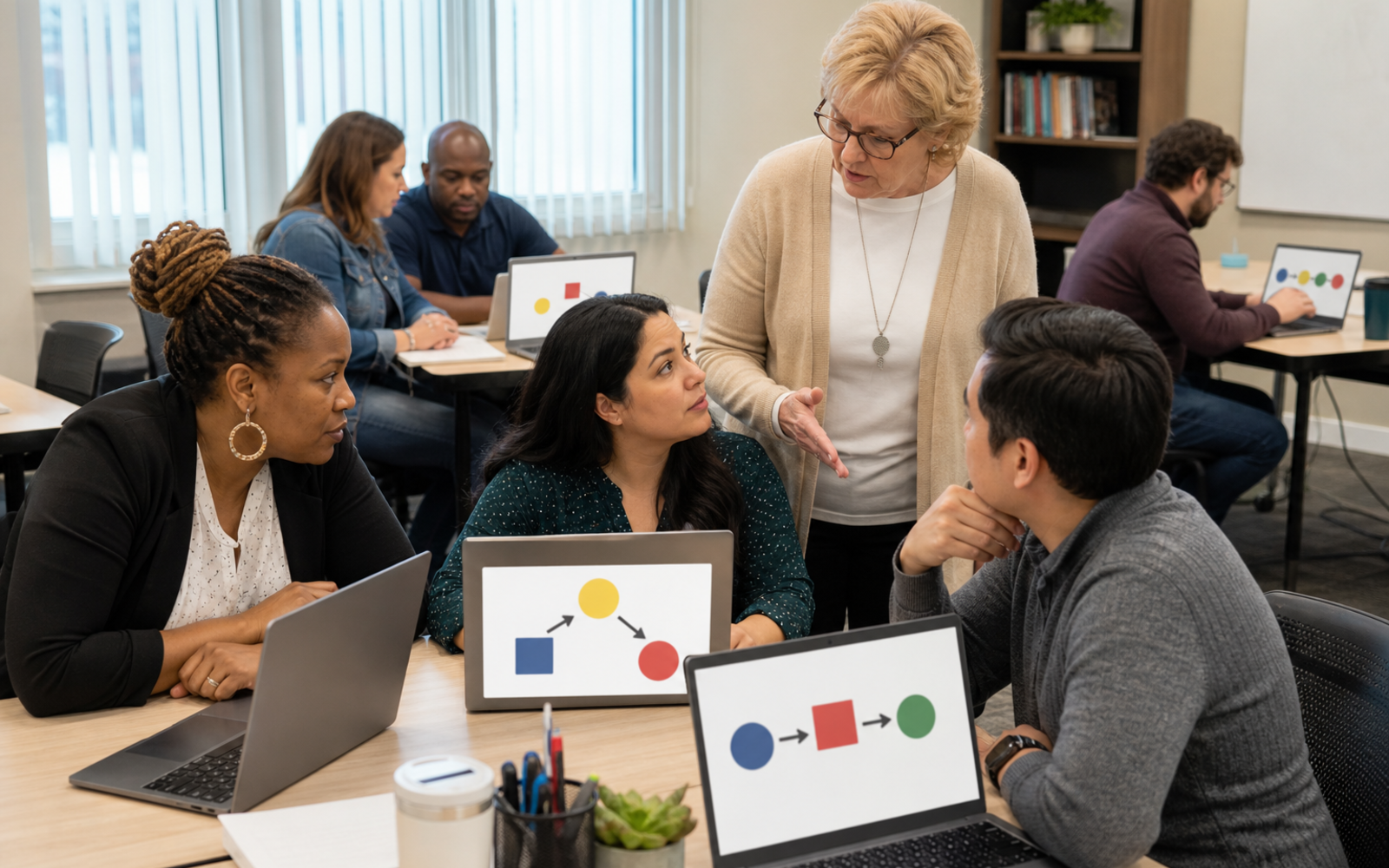
The announced programme includes events with school districts and education partners in Georgia, Virginia, Florida, Illinois, California, Arizona, Utah, and Nevada. Participants are expected to work alongside OpenAI mentors on everyday activities such as lesson planning, parent and staff communication, and administrative work. The format gives educators time to try workflows, ask questions, surface concerns, and learn with colleagues. That makes the initiative a professional-learning intervention as well as a product-ecosystem announcement.
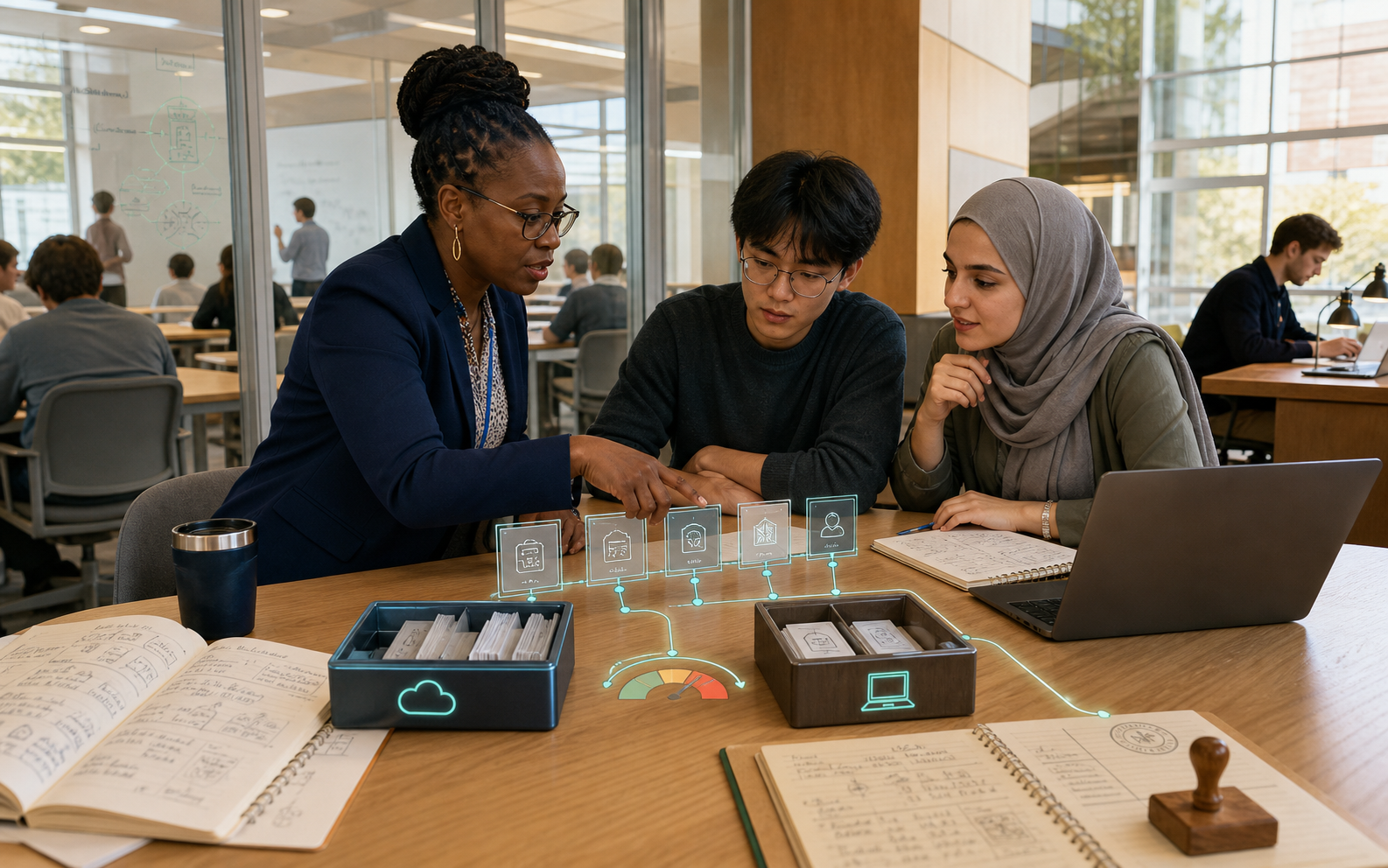
OpenAI also connects participants to OpenAI Academy, its free online learning platform, so activity can continue beyond a one-day workshop. This follow-through matters because isolated demonstrations rarely establish durable practice. A stronger programme would help teachers revisit examples, adapt them to local curricula, compare results, and seek support after classroom use. It should also give school leaders a way to distinguish an individual productivity experiment from an institutionally approved workflow involving student or staff information.
The announcement cites Walton Family Foundation and Gallup research in which teachers who use AI at least weekly estimated saving an average of 5.9 hours per week. OpenAI reports that teachers redirect time toward feedback, individualized planning, family communication, or personal wellbeing. These figures describe teacher estimates and reported uses; they are not a causal evaluation of the Skills Jam, and they do not establish that every teacher, task, or school will realize the same saving. Independent studies should measure time, output quality, workload distribution, and effects on students before and after participation.
Hands-on learning can still reproduce weak practice if speed becomes the only success criterion. Workshop activities should require educators to check factual accuracy, curriculum alignment, accessibility, bias, privacy, and whether a generated resource genuinely reduces work after review. They should also address when AI should not be used, how to document consequential decisions, and how teachers can retain authorship and professional responsibility. Examples need to serve educators with different subjects, languages, confidence levels, and access conditions rather than only early adopters.
For Hong Kong schools, the US locations and partnerships are not a ready-made deployment plan. The transferable idea is to organize professional learning around authentic teacher tasks, coached experimentation, peer critique, and continued support. A local version would need Hong Kong curricula, multilingual workflows, school data-protection rules, approved accounts, and evaluation tied to teaching quality rather than usage volume. District or school leaders could begin with low-risk materials, record the time required for checking and revision, and collect evidence of what changes in practice.
The AI Skills Jam is therefore useful product and programme news, not evidence of improved learning outcomes. Its promise lies in treating educator agency and practical competence as prerequisites for adoption. Whether that promise is realized will depend on the quality of the workshops, the safeguards around real school work, the reach beyond one-off events, and transparent evaluation of who benefits and how.