Product news: GPT Transcribe, Claude memory and Gemini Classroom make learning context persistent
OpenAI, Anthropic, Google for Education
AI Product and Learning Report
500-word summary
Listen to the product news report
Audio summary
This product-news report follows a common design shift across OpenAI, Anthropic and Google: AI systems are becoming better at carrying context from one learning moment into the next. OpenAI's July 28 release adds GPT Transcribe for file transcription and final transcripts of committed Realtime turns, plus GPT Live Transcribe for low-latency streaming. Anthropic's July 10 Claude update replaces a daily memory summary with individual, categorized entries that Claude can read and update during conversations. Google's education products connect Gemini activities to selected course materials and teacher-led Classroom workflows. Each development can reduce friction, but each also creates a record that needs boundaries.
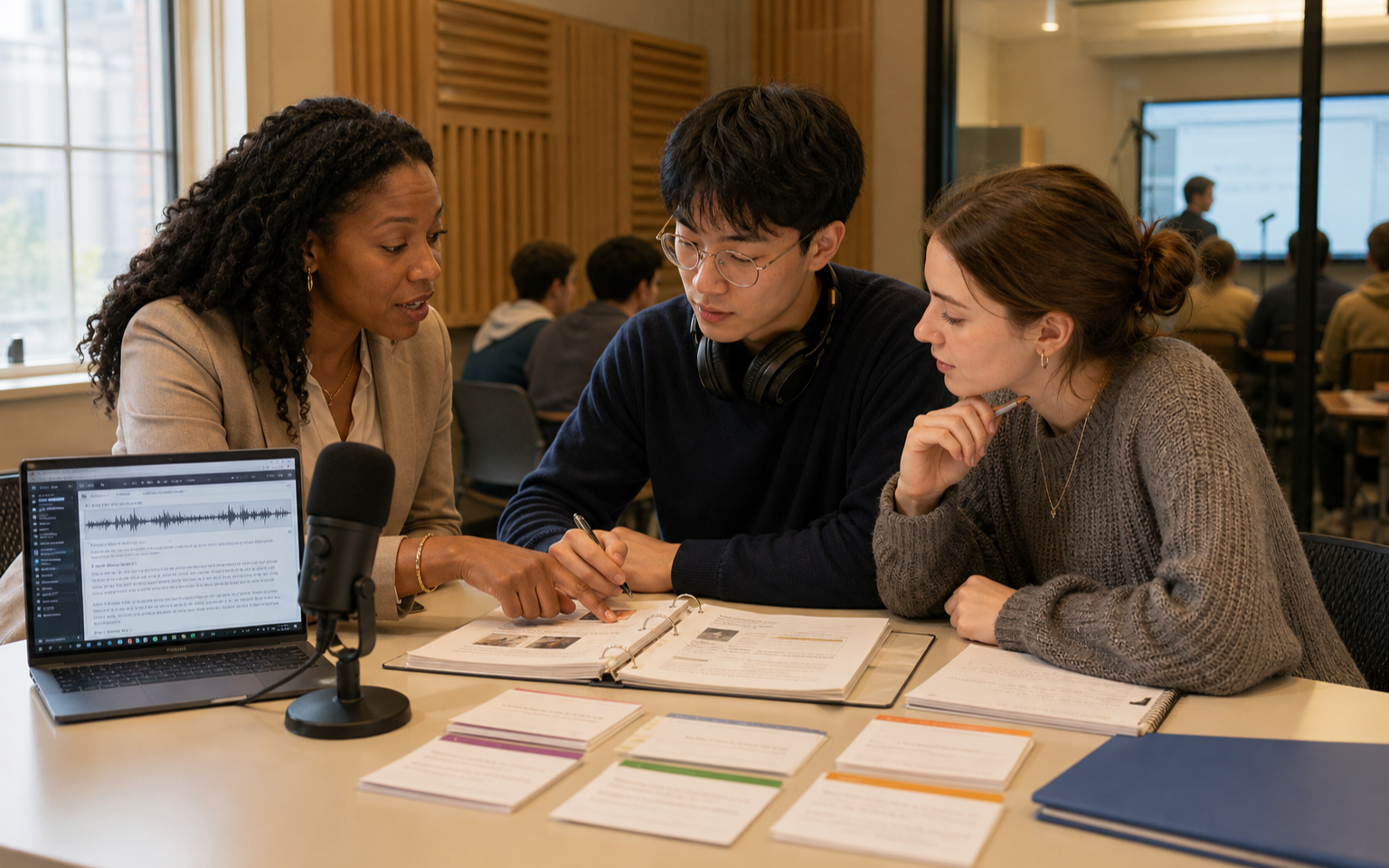
OpenAI says both transcription models accept free-form context, keyword hints and multiple expected input languages. In education, those capabilities could support lecture capture, oral-language practice, interview analysis, accessibility notes or formative feedback on spoken explanations. Accuracy in a product release is not the same as accuracy for every classroom. Names, code-switching, accented speech, specialist vocabulary and noisy rooms can all affect transcripts. A school should keep the recording available for checking, label machine-generated text, let speakers correct errors and avoid treating a transcript as a neutral account of participation or understanding. Transcription also cannot reveal whether a speaker agrees with a recorded idea or merely repeats it, so interpretation should remain tied to the original activity and participant review.
Anthropic's memory change addresses continuity from another direction. Categorized entries can help Claude retain a user's preferences, projects or recurring context without rebuilding one large daily summary. For a learner or teacher, that may make a long-running inquiry easier to resume. It also means users need to understand what was retained, how a mistaken entry is corrected, when an incognito interaction is more appropriate and when old context should be deleted. A memory that quietly carries an obsolete misconception, sensitive student detail or an instructor's provisional judgment can make later assistance feel personalized while remaining wrong or inappropriate.
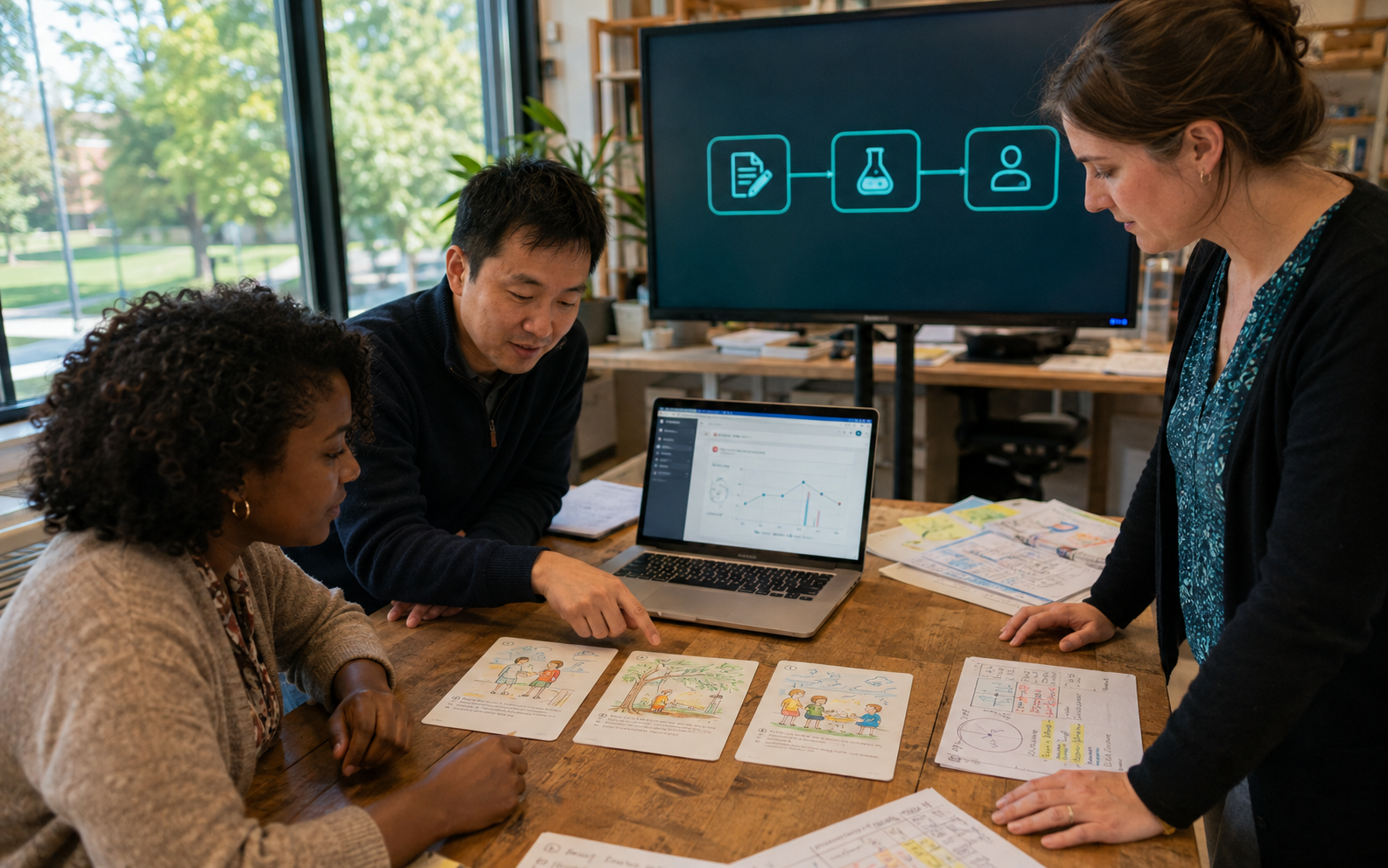
Google's teacher-led Gemini, study-notebook and NotebookLM activities provide the explicitly educational comparison. Google describes workflows grounded in teacher-selected class materials, with educators able to assign activities and review signals about where individuals or a class may need support. The purpose is not merely longer context; it is curriculum-bounded context under educator direction. Availability varies by account, age, language, device and rollout stage, and vendor descriptions are not independent evidence that learning improves.
For Hong Kong schools and universities, the practical unit of evaluation should be the context lifecycle. Before a pilot, teams can specify who may record speech, what notice and consent are required, which materials may ground a task, what memory is visible to users, how corrections propagate, how long records remain and which decisions require a teacher. Learning evidence should include an independent oral or written task after assistance. Persistent context is useful when it helps learners revisit, explain and verify ideas; it becomes a liability when convenience hides provenance, error or surveillance.